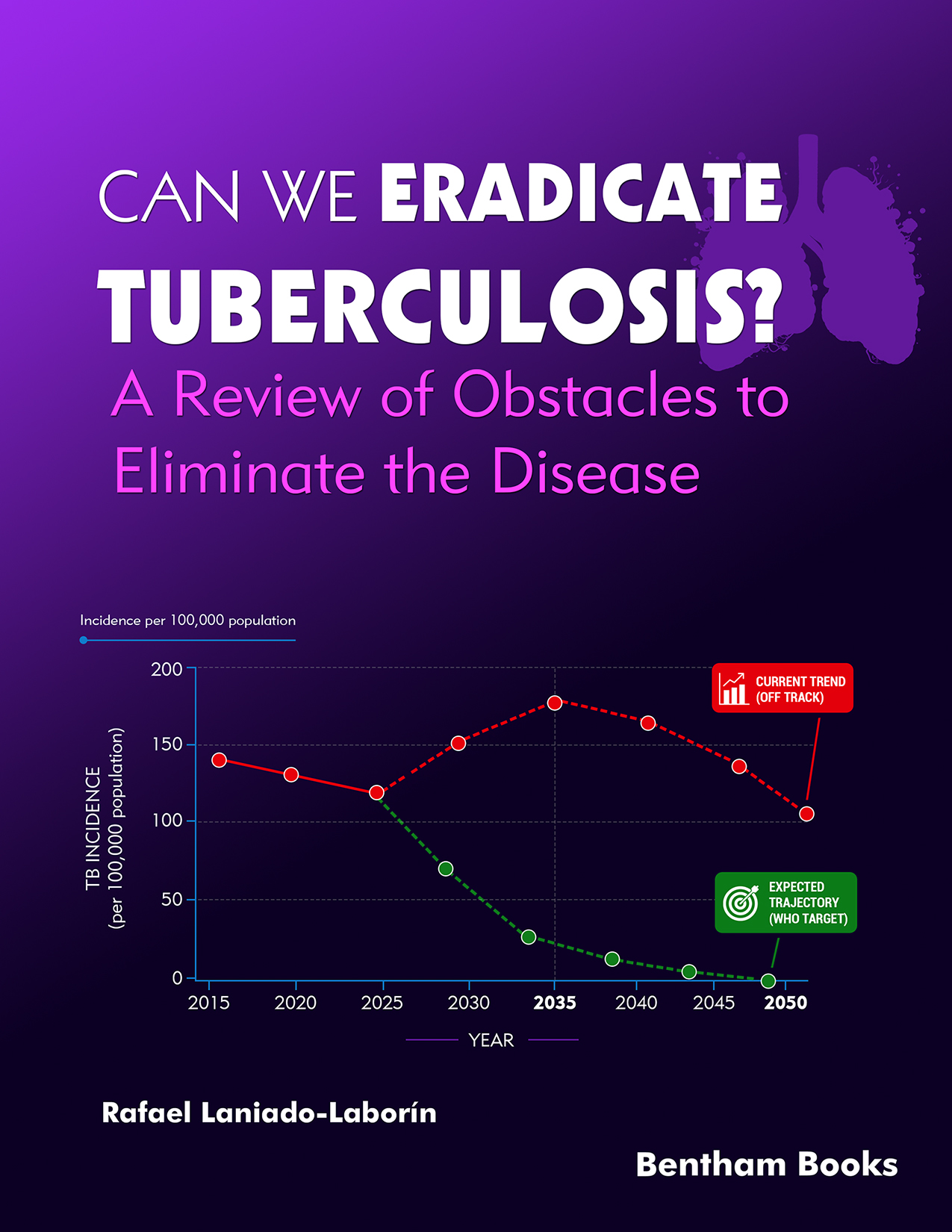
Tuberculosis remains a leading cause of death worldwide, especially in developing countries. Understanding the reasons behind its persistence can help prevent its spread across national borders, which is crucial for global health security. The lack of tuberculosis control increases the risk of further international transmission.
The failure to globally eradicate tuberculosis can be explained by the almost exclusively biological approach to this disease instead of a holistic approach that takes into consideration multiple sociocultural factors.
It is essential to identify gaps in health systems and understand why national tuberculosis control programs have struggled to identify weaknesses in these areas, including diagnosis, treatment adherence, financing, and infrastructure. This information is crucial for developing more effective strategies to combat the disease. Efforts to control tuberculosis require significant funds and resources. By analyzing why previous strategies have not been as successful, it will be possible to allocate resources where they are needed most, whether in diagnosis, treatment, or public health education. Discussing the failure to control tuberculosis raises awareness about the disease, its challenges, and the urgency of taking adequate measures. Public awareness can help garner support for policy changes, funding, and community-level interventions.
Social determinants have been relegated to the background, allocating the vast majority of funding to the biological approach to the disease. Tuberculosis thrives almost exclusively in areas with poverty, overcrowding, malnutrition, and inadequate health care. Discussing the failure of global efforts highlights the social and economic factors that exacerbate the spread of the disease, and these must be addressed to prevent future outbreaks.
One of the consequences of the failure to control tuberculosis has been the increase in drug-resistant strains of tuberculosis. A deeper understanding of the factors that contribute to drug resistance (such as community transmission dynamics, inadequate treatment, incomplete courses, or lack of access to second-line medications) can guide the development of better policies to combat resistant strains.
Governments and international organizations can use analysis of past failures to make more informed decisions and develop more targeted, sustainable tuberculosis control programs. These decisions may involve international collaborations, improvements in diagnostic methods, the development of vaccines or new medications for more effective and less toxic treatments that can be administered for increasingly shorter periods. Discussing the failure to control tuberculosis will raise awareness about the disease, its associated challenges, and the enormous urgency to take action. Public awareness can help garner support for policy changes, funding, and community-level interventions.
The primary objective of this book is to examine the reasons behind the failure of global tuberculosis control, which is crucial for enhancing healthcare strategies, combating drug resistance, and ultimately reducing the burden of this deadly disease.
Rafael Laniado-Laborín
Clínica y Laboratorio de Tuberculosis, Hospital General de Tijuana
Facultad de Medicina y Psicología, Universidad Autónoma de Baja California
Tijuana, Baja California, Mexico