
Introduction
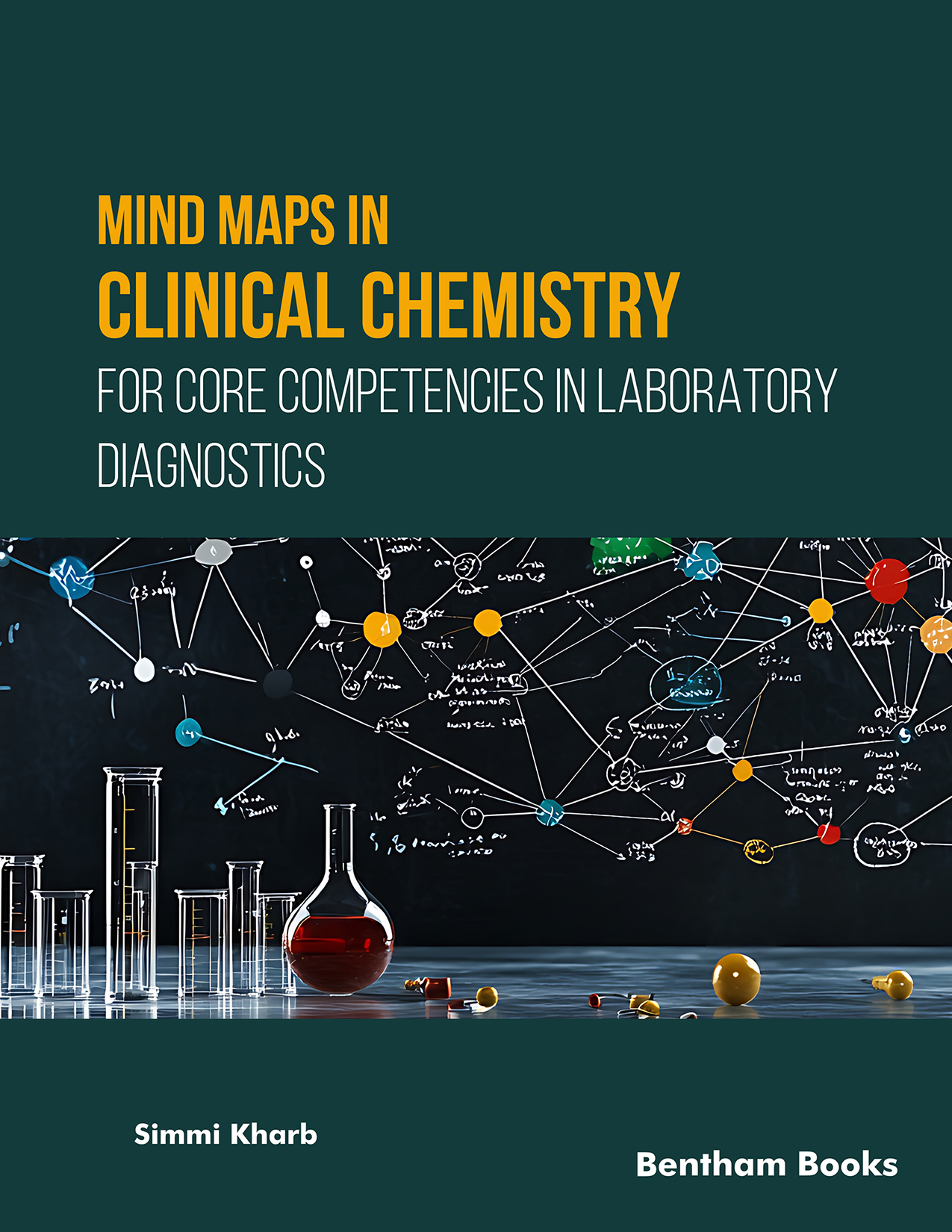
Mind Maps in Clinical Chemistry for Core Competencies in Laboratory Diagnostics provides a structured, clinically oriented exploration of the biochemical principles, disease mechanisms, and laboratory investigations essential to modern diagnostic practice. The book is designed to simplify complex concepts in clinical chemistry through an organised, competency-based approach that integrates mind maps, key concepts, and clinical interpretation strategies. It covers major disorders related to acid-base balance, pulmonary function, cancer, cardiovascular diseases, and hypertension, and emphasises the practical role of laboratory diagnostics in disease detection, monitoring, and management.
The book systematically guides readers through core areas of clinical chemistry and laboratory medicine. Early chapters focus on acid-base homeostasis, pulmonary function, buffer systems, compensatory mechanisms, and laboratory investigations such as arterial blood gas analysis, anion gap interpretation, and osmolality testing. Detailed discussions explain the biochemical basis and clinical presentation of disorders including metabolic and respiratory acidosis, alkalosis, and pulmonary dysfunction. Subsequent chapters explore the biochemical and molecular aspects of cancer diagnostics, highlighting tumour biomarkers such as AFP, PSA, CA 125, HER2/Neu, CEA, and emerging cancer biomarkers. Additional sections examine cardiovascular disorders and hypertension, with emphasis on biochemical risk assessment, diagnostic markers, and laboratory evaluation.
A distinctive feature of the book is its learner-friendly presentation style that combines mind maps, summaries, exercises, and analytical interpretation with core competency-based learning outcomes. By linking biochemical concepts with real clinical scenarios and laboratory findings, the book supports both academic learning and professional diagnostic training.
Key Features
- - Competency-based approach to clinical chemistry and laboratory diagnostics.
- - Use of mind maps to simplify complex biochemical and diagnostic concepts.
- - Comprehensive coverage of acid-base disorders, cancer biomarkers, and cardiovascular diseases.
- - Practical interpretation of laboratory investigations and analytical results.
- - Integration of clinical signs, symptoms, and biochemical mechanisms.
- - Inclusion of learning objectives, summaries, and exercises for self-assessment.
Target Readership :
The book is primarily intended for undergraduate and postgraduate students in medical laboratory sciences, clinical biochemistry, medicine, and allied health sciences.