In recent decades, the world has witnessed unprecedented advancements in healthcare, resulting in remarkable improvements in life expectancy and quality of life. However, these achievements have not been evenly distributed. In many developing nations, particularly Nigeria, public health systems face formidable challenges that threaten to reverse the progress made thus far. The barriers to effective healthcare in these regions are numerous and complex, ranging from weak governance and political instability to poverty, insecurity, and inadequate infrastructure. These obstacles not only impede access to essential health services but also perpetuate a cycle of poor health outcomes and underdevelopment.
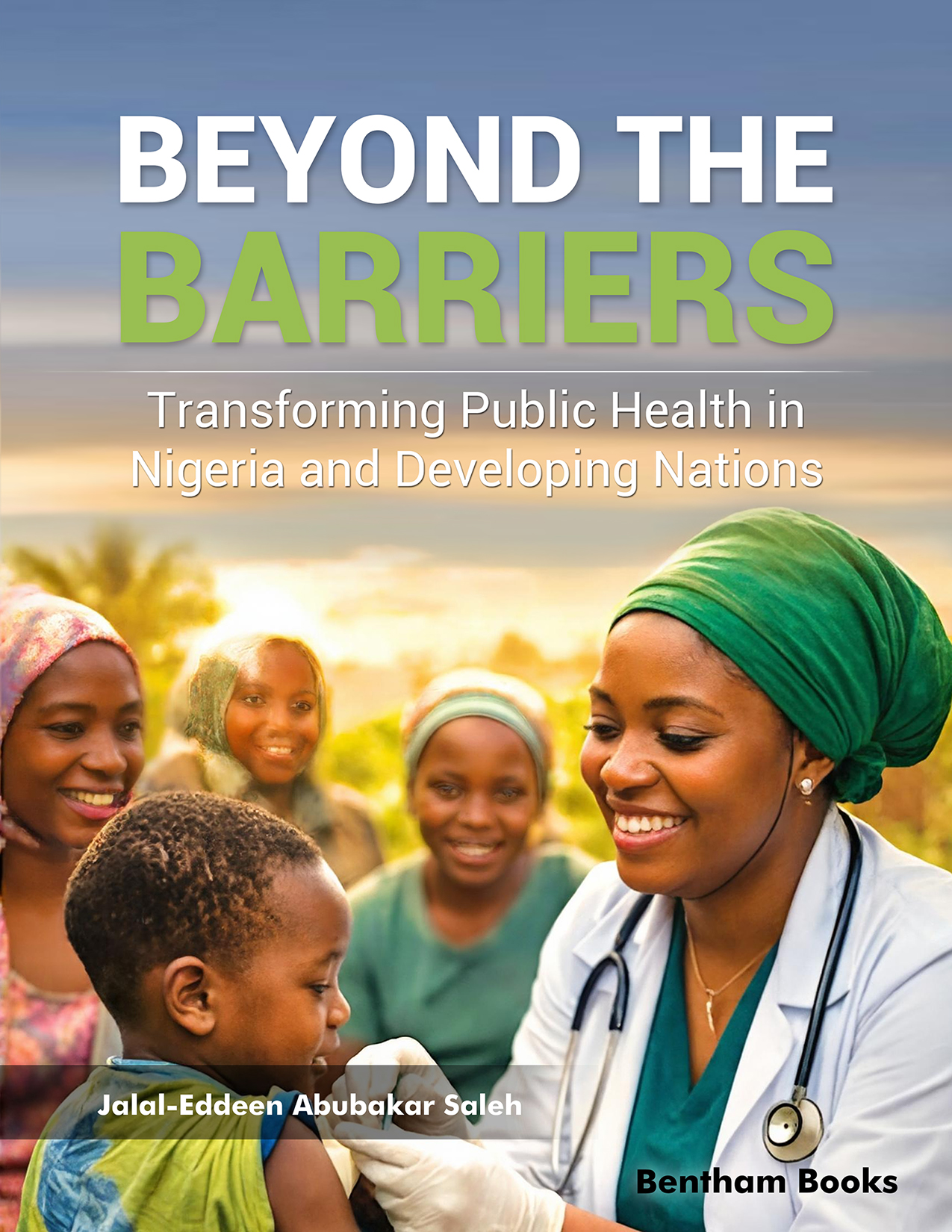
Beyond the Barriers: Transforming Public Health in Nigeria and Developing Nations is a follow-up to my earlier work, Resilient Communities: Navigating Public Health Challenges in Developing Nations, which was intended to empower local health actors to drive resilience and innovation in health service delivery. This new book is a culmination of my experiences, observations, engagements with government officials and development partners, and personal reflections as a public health professional committed to tackling these challenges.
Over the past three decades, I have worked in the health sector—15 years as a clinician and the subsequent 15 as a public health expert with the World Health Organization—focusing on immunization and disease prevention and control. Throughout this journey, I have witnessed firsthand the struggles of underserved and hard-to-reach communities, communities that are often overlooked and left behind by conventional health systems. I have seen the toll that poverty, conflict, and systemic neglect take on human lives. Yet, I have also witnessed the incredible resilience of those who work tirelessly to overcome these barriers.
This book is not merely an analysis of the problems; it is a call to action. It is an invitation to policymakers, health professionals, community leaders, and international partners to rethink and reimagine our approach to public health in Nigeria and other developing countries. It urges us to go beyond the barriers that have held us back for too long and to seek innovative, sustainable solutions that can transform the health landscape of the developing world.
Each chapter explores a specific aspect of Nigeria’s public health challenges, offering insights, case studies, and practical recommendations. I hope that this book will serve as a valuable resource for those who are committed to improving the lives of millions who continue to suffer from preventable diseases, inadequate healthcare, and systemic neglect.
Transforming public health in Nigeria and other developing nations is not merely a possibility; it is an imperative. I invite you to join me on this journey as we work together to build a healthier, more equitable future for all.
Jalal-Eddeen Abubakar SALEH
World Health Organization
Nigeria
Disclaimer: The views expressed in this book are solely my own and do not reflect the official positions or policies of the World Health Organization. The content of this book is objective, non-partisan, and was not influenced by my affiliation with WHO.