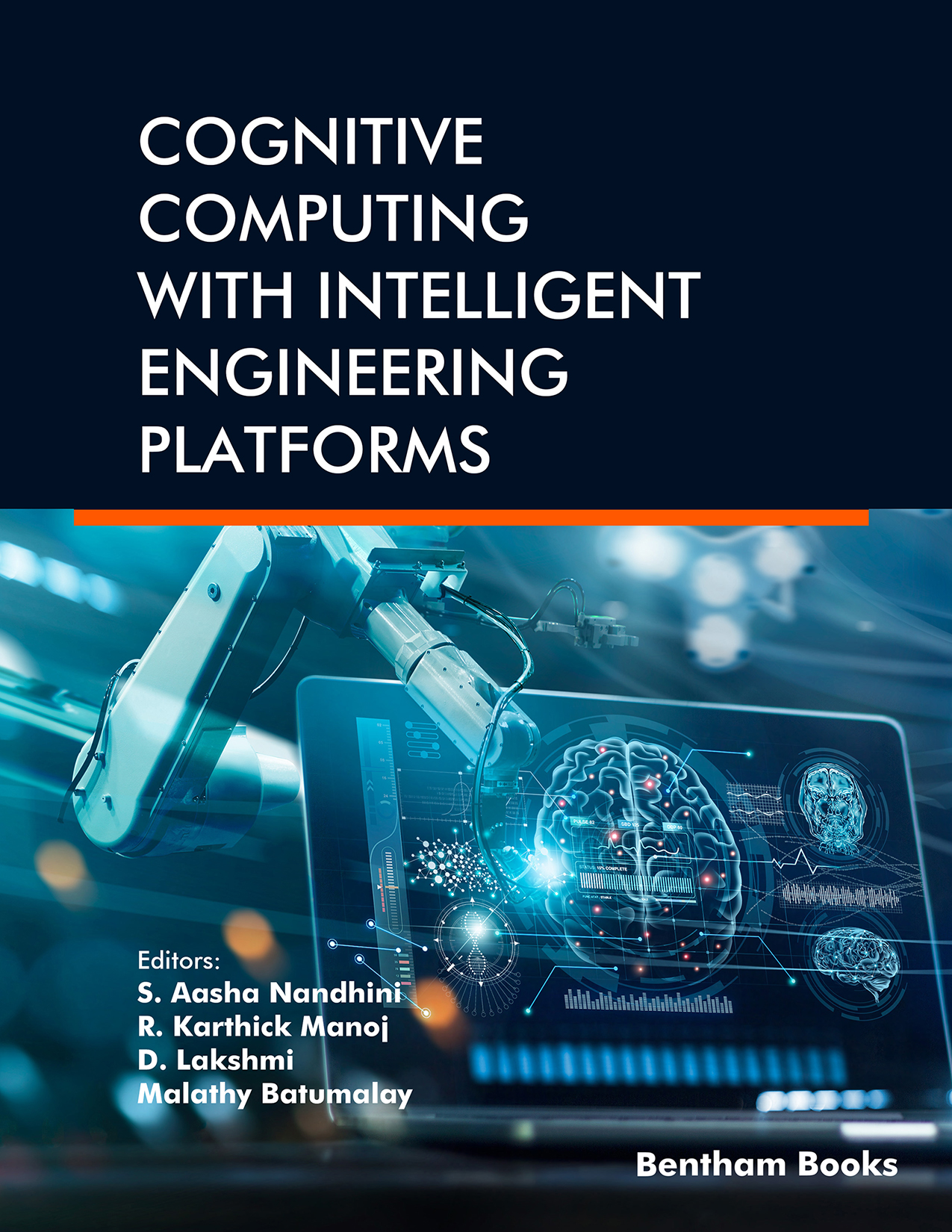
The evolution of engineering practices in the 21st century has been significantly shaped by the convergence of artificial intelligence, cognitive computing, and intelligent automation. The transition from traditional systems to intelligent platforms is not merely a technological shift; it is a fundamental transformation in how engineering problems are understood, analyzed, and solved.
Cognitive Computing with Intelligent Engineering Platforms is a timely response to this paradigm shift. The book aims to bridge the gap between theoretical advancements in cognitive technologies and their real-world applications in engineering. It explores how data-driven insights, machine learning algorithms, IoT integration, and cognitive systems are driving the next generation of adaptive, autonomous, and sustainable engineering solutions.
This edited volume comprises 8 contributed chapters and international institutions. Their work spans diverse areas such as healthcare, smart manufacturing, energy systems, cybersecurity, industrial IoT, and intelligent control. Each chapter offers in-depth research, case studies, or practical frameworks that demonstrate the transformative impact of cognitive computing on modern engineering environments.
We hope this book serves as a comprehensive resource for graduate students, academic researchers, engineers, and technologists seeking to understand and implement cognitive systems within contemporary engineering infrastructures. By bringing together a wide range of perspectives, we aspire to foster a collaborative and forward-thinking community committed to advancing intelligent engineering.
This book is intended for a broad audience, including:
Researchers and Academicians engaged in artificial intelligence, cognitive computing, data analytics, and intelligent engineering systems.
Postgraduate and Doctoral Students pursuing advanced studies in engineering, computer science, IT, and related disciplines.
Industry Professionals and Engineers working in smart manufacturing, energy systems, industrial automation, automotive engineering, and smart cities.
Technology Developers and System Architects designing intelligent platforms using IoT, cloud/edge computing, machine learning, and data fusion.
Today’s world stands at a pivotal crossroads in the evolution of energy and engineering infrastructure. Environmental imperatives, escalating energy demands, and rapid technological innovation make the integration of cognitive and intelligent systems not just beneficial but essential. This shift toward smart, adaptive, and distributed platforms marks a vital step in building a resilient and sustainable future.
We hope the insights and innovations presented in this volume will not only inspire new solutions and interdisciplinary collaborations but also promote a shared commitment to building efficient, autonomous, and intelligent systems for generations to come. Progress toward cleaner, smarter, and more inclusive engineering practices demands bold ideas, sustained research, and a collective purpose. Let us move forward together in shaping that future.
We extend our sincere gratitude to all the contributors, reviewers, and institutions whose support has enriched this book and helped bring this vision to life.
S. Aasha Nandhini
Department of Electronics and Communication Engineering
Sri Sivasubramaniya Nadar College of Engineering, Chennai
Tamil Nadu, India
R. Karthick Manoj
Department of Electrical and Electronics Engineering
Academy of Maritime Education and Training (AMET)
Deemed to be University, Chennai
Tamil Nadu, India
D. Lakshmi
Department of Electrical and Electronics Engineering
Academy of Maritime Education and Training (AMET)
Deemed to be University, Chennai
Tamil Nadu, India
&
Malathy Batumalay
Faculty of Data Science and IT
Centre for Data Science and Sustainable Technologies
INTI International University, Nilai, Malaysia