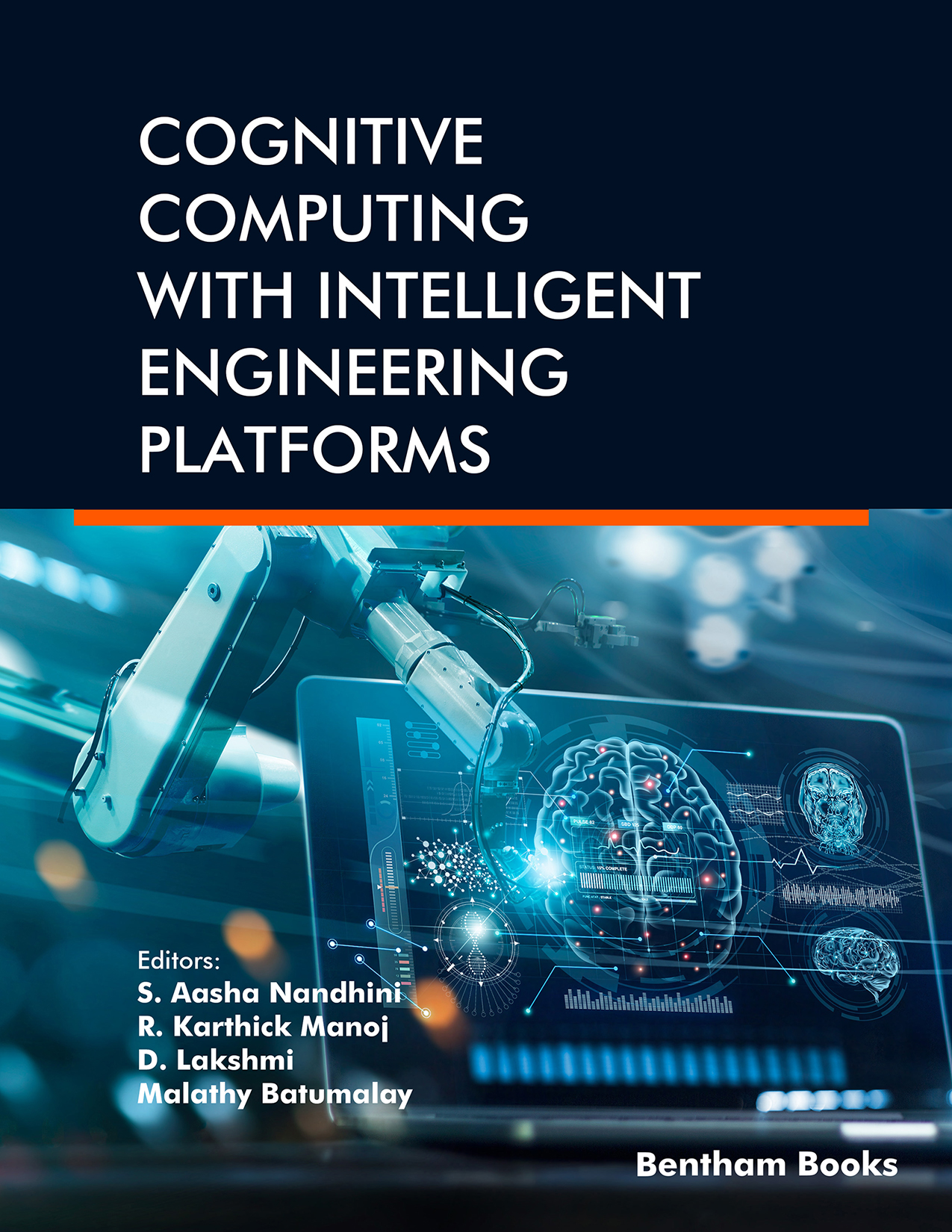
The 21st century stands as a defining moment in human history, one where intelligence is no longer confined to the human mind but embedded in the very fabric of our technologies, systems, and infrastructures. From the way we manufacture goods and deliver healthcare, to how we build cities and manage energy, the infusion of cognitive computing into engineering platforms is reshaping the foundation of modern civilization.
For decades, engineering systems have relied on deterministic processes and static models. While these systems laid the groundwork for industrial progress, they often fall short in meeting the dynamic, data-driven demands of our present and future. Today, the world is witnessing the rise of intelligent, adaptive, and self-learning platform systems that do not merely execute commands but understand, reason, and evolve with their environment.
This transformation is powered by cognitive computing: a convergence of machine learning, artificial intelligence, real-time data analytics, and human-centered design. When combined with intelligent engineering platforms, it enables breakthroughs that were once the domain of science fiction—smart factories that self-correct, power grids that adapt in real time, and healthcare diagnostics that rival human expertise.
My own journey as a researcher and technologist has illuminated how critical this integration has become. In industries across the globe, there is a growing need for solutions that are not only efficient but also autonomous, context-aware, and sustainable. The promise of cognitive engineering lies in its ability to create systems that learn from data, collaborate with humans, and respond to ever-changing conditions, making our world safer, more responsive, and more resilient.
Cognitive Computing with Intelligent Engineering Platforms is a testament to the strides being made in this field. This volume brings together leading voices from academia and industry to explore real-world applications of cognitive systems across diverse domains, including manufacturing, energy, transportation, cybersecurity, healthcare, and more. The contributors share case studies, frameworks, and innovations that bridge theory and practice, offering readers both inspiration and implementation strategies.
From edge computing architectures and AI-powered control systems to smart water management, battery diagnostics, and industrial IoT for healthcare, the chapters in this book illustrate how cognitive intelligence is being embedded across the engineering spectrum. Whether it's improving power system efficiency, enhancing cybersecurity, or advancing medical diagnostics, these chapters offer a panoramic view of intelligent innovation at work.
This book arrives at a critical time. As the world grapples with challenges like climate change, digital disruption, and the pursuit of global sustainability, the role of intelligent, data-driven engineering solutions becomes ever more vital. The shift is not just technological—it is cultural. It calls on us to rethink traditional engineering boundaries and embrace a mindset of continuous learning, cross-disciplinary collaboration, and human-machine synergy.
Whether you are a researcher, engineer, policymaker, or student, this book will deepen your understanding of how cognitive computing is transforming engineering. More importantly, it will equip you to be a part of this transformation.
I commend the editors for their vision and the contributors for their insights. This is more than a collection of chapters; it is a blueprint for the intelligent systems that will shape our collective future. Let this book inspire you to think differently, act boldly, and innovate responsibly. The era of cognitive engineering is here, and it is ours to shape.
V. Pramila
Department of Electrical and Electronics Engineering
B.S. Abdur Rahman Crescent Institute of Science and Technology
Chennai
Tamil Nadu, India