
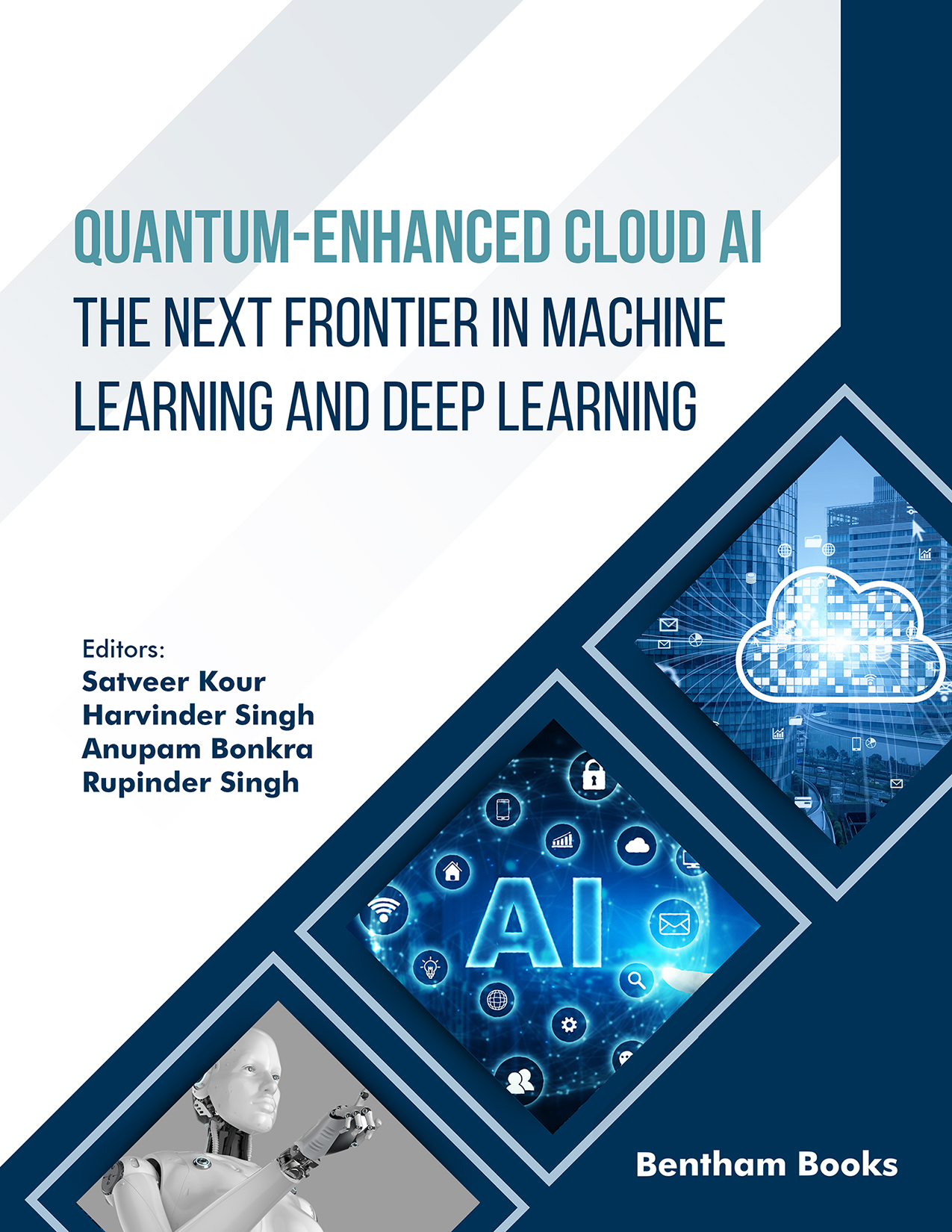
Quantum-Enhanced Cloud AI: The Next Frontier in Machine Learning and Deep Learning

Editors: Satveer Kour, Harvinder Singh, Anupam Bonkra, Rupinder Singh

Quantum-Enhanced Cloud AI: The Next Frontier in Machine Learning and Deep Learning

ISBN: 979-8-89881-322-2
eISBN: 979-8-89881-321-5 (Online)

Introduction

Quantum-Enhanced Cloud AI: The Next Frontier in Machine Learning and Deep Learning presents a scholarly and comprehensive examination of the convergence of quantum computing, cloud infrastructure, and advanced artificial intelligence. As classical computing approaches approach their practical and physical limits, this volume positions quantum-enhanced cloud platforms as a transformative foundation for next-generation machine learning and deep learning systems.

The book systematically introduces core principles of quantum computing, cloud-based quantum architectures, and hybrid quantum–classical models, establishing a strong conceptual foundation before advancing to practical implementations. It critically examines quantum algorithms, error correction challenges, coherence limitations, and architectural considerations that shape the feasibility of Quantum AI. Through detailed case studies and comparative analyses, the book demonstrates how quantum machine learning techniques can outperform classical approaches in domains such as healthcare, bioinformatics, finance, cybersecurity, agriculture, smart cities, and Internet of Vehicles systems. Emerging topics including edge intelligence, quantum-enabled IoT, sustainable supply chains, and secure cloud-based healthcare frameworks are also explored.

Written in a rigorous yet accessible style, this reference work serves graduate students, researchers, and professionals seeking to understand both the theoretical underpinnings and real-world implications of quantum-enhanced AI. It offers valuable insights into the technological, industrial, and societal impact of this rapidly evolving field.


Key Features

  • - Comprehensive coverage of quantum computing principles and cloud-based AI architectures
  • - In-depth analysis of hybrid quantum–classical machine learning models and algorithms
  • - Comparative evaluation of quantum and classical AI approaches across multiple application domains
  • - Practical insights into implementation challenges, scalability, and security
  • - Forward-looking perspectives on the future of Quantum AI and intelligent computing systems

Target Readership:

Computer science and AI engineering graduates; Researchers and professionals in software development and AI implementation roles.

Foreword

In an era where data is the new oil and intelligence is the new electricity, the convergence of quantum computing, cloud infrastructure, and artificial intelligence signals a monumental shift in how we process, understand, and interact with information. This book proposal, QuantumEnhanced Cloud AI: The Next Frontier in Machine Learning and Deep Learning, offers a timely and visionary exploration into this transformative landscape.

As machine learning and deep learning have matured, they have increasingly strained the limits of classical computing infrastructure. Massive datasets, high-dimensional models, and real-time decision-making requirements demand computational resources that are not only powerful but also efficient and scalable. Simultaneously, quantum computing has emerged from the realm of theoretical physics into a promising technological frontier—capable of solving complex problems with exponentially less time and energy.

Cloud computing serves as the essential bridge, democratizing access to both AI and quantum technologies by abstracting hardware constraints and enabling scalable, distributed innovation. Together, these pillars form the foundation of a new paradigm—Quantum-Enhanced Cloud AI— where the raw power of quantum systems enhances the intelligence of AI models, and the flexibility of cloud infrastructure ensures accessibility, collaboration, and deployment at scale.

This book does more than just examine the individual technologies; it unites them into a cohesive narrative that looks ahead to their integrated potential. It highlights use cases from quantum-accelerated training to quantum-inspired optimization, discusses architectural frameworks for hybrid quantum-classical AI systems in the cloud, and investigates the implications for industries ranging from healthcare and finance to logistics and cybersecurity.

Whether you're a researcher, practitioner, student, or policymaker, this book offers critical insights and practical pathways to navigate the coming age of intelligent systems powered by quantum and cloud technologies. The future is not just about faster algorithms or bigger datasets—it is about a fundamental rethinking of computation itself. And in that future, the integration of quantum and AI on the cloud may well be the most defining chapter of our digital evolution.

Er. Aruna Rani
Department of Computer Science Engineering and Technology
Lamrin Tech Skills University
Chandigarh, Punjab, India