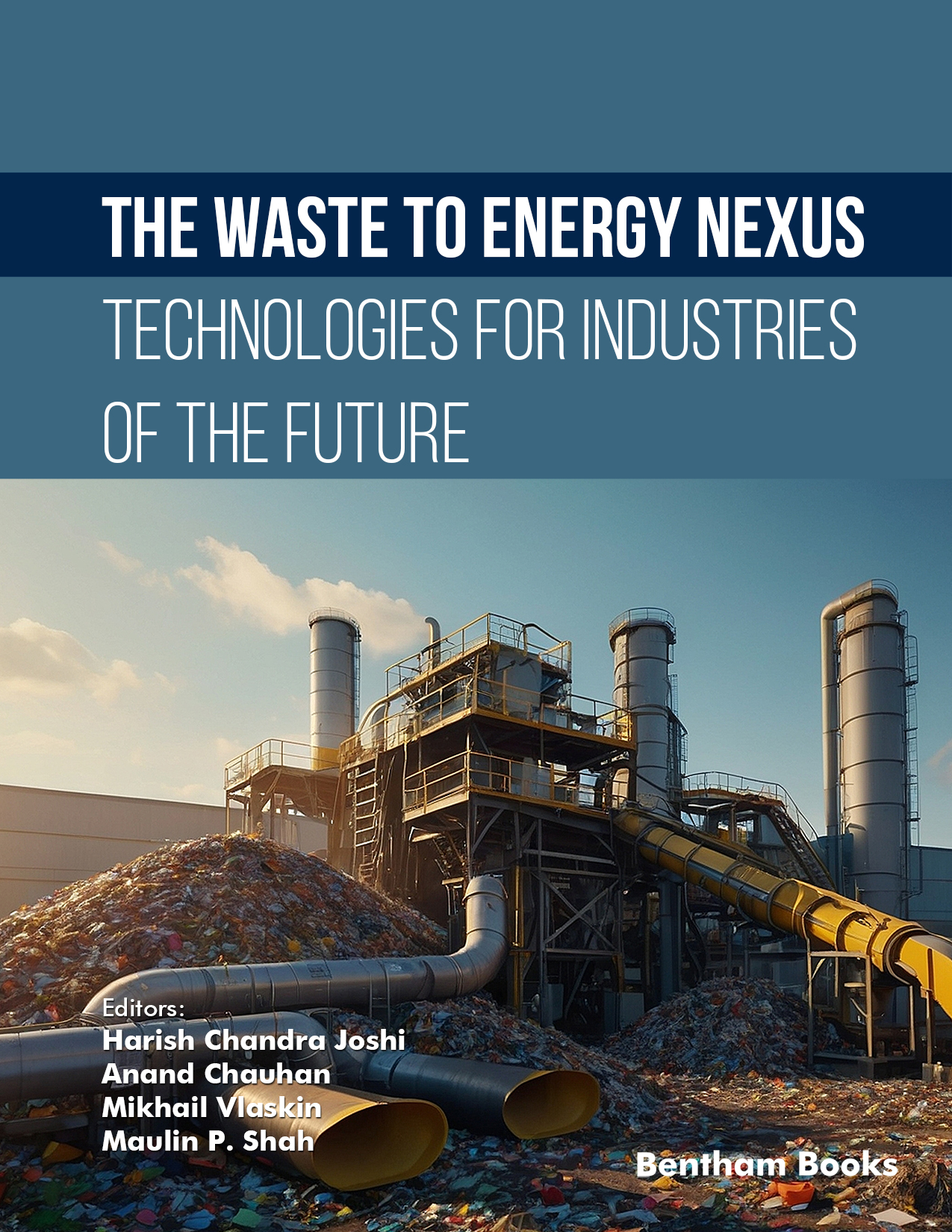
As we stride deeper into the 21st century, humanity faces a dual-edged challenge: managing ever-increasing waste and securing sustainable energy sources. With a burgeoning global population and rapid industrialization, the mounting pressure on our planet's finite resources is undeniable. At the same time, our relentless pursuit of energy has driven innovation toward solutions that are both sustainable and environmentally conscious. The relationship between waste management and energy generation holds transformative potential in shaping a sustainable future. By extracting energy from waste materials, we not only reduce environmental harm but also preserve existing resources while creating clean, renewable energy. This integrated vision aligns seamlessly with the global commitment to the United Nations’ 17 Sustainable Development Goals (SDGs), particularly the goal of achieving affordable and clean energy by 2030.
This book explores cutting-edge technologies and methodologies at the intersection of waste management and energy valorization. It presents an in-depth investigation into innovative processes and practical solutions designed to inspire a new generation of thinkers, researchers, and engineers. Each chapter meticulously unpacks the intricacies of various approaches, offering insights for both specialized readers and those new to the subject.
The journey begins with an exploration of waste-to-energy technologies, including incineration, gasification, pyrolysis, and anaerobic digestion, alongside renewable energy sources such as solar, wind, and biomass. Subsequent chapters explore the role of biorefineries in advancing circular economy principles, the immense potential of biomass and biochar in energy storage applications, and the revolutionary possibilities of hydrogen technology.
The book also sheds light on emerging fields, such as composite material recycling and CO2 capture, offering practical insights into processes including chemical absorption, adsorption, and microbiological methods. The potential of alternative fuels, exemplified by India’s Ethanol 100 initiative, is addressed, alongside strategies to embed circular economy principles into the lifecycle management of solar panels, wind turbines, and battery systems.
In addition to these innovative themes, this work emphasizes the importance of regional perspectives, particularly India’s role in managing Municipal Solid Waste (MSW) and advancing renewable energy solutions, such as wind power and bioethanol derived from algal biomass. Together, these chapters provide a holistic framework for tackling global sustainability challenges.
It is my privilege to present this remarkable work to readers from diverse backgrounds, including graduate and postgraduate students, researchers, engineers, and policymakers. The comprehensive insights offered in this book ensure that even non-specialist readers can grasp the complexities of each topic and stay abreast of the latest advancements.
This book is a testament to the power of human ingenuity and collaboration in solving some of the most pressing challenges of our time. By bridging the gap between waste management and energy generation, it offers hope for a cleaner, greener, and more sustainable future.
Mika Sillanpaa
Department of Chemical Engineering
School of Mining Metallurgy and Chemical Engineering
University of Johannesburg
P. O. Box 17011
Doornfontein 2028, South Africa