The development of effective treatments for brain tumors represents one of the most formidable challenges in modern oncology. Brain tumors, particularly glioblastomas, are characterized by their aggressive nature and resistance to conventional therapies. Despite advancements in surgery, radiotherapy, and chemotherapy, the prognosis for patients with brain tumors has remained poor, necessitating novel approaches and a deeper understanding of the underlying biology of these malignancies.
In recent years, research in brain tumor drug development has progressed significantly, driven by advancements in molecular biology, genomics, immunology, and drug delivery systems. New insights into the genetic and molecular makeup of brain tumors, combined with breakthroughs in drug design and delivery, have opened exciting new possibilities for targeting tumors more effectively. However, the journey from bench to bedside remains long and complex, with many scientific, clinical, and regulatory hurdles still to be overcome.
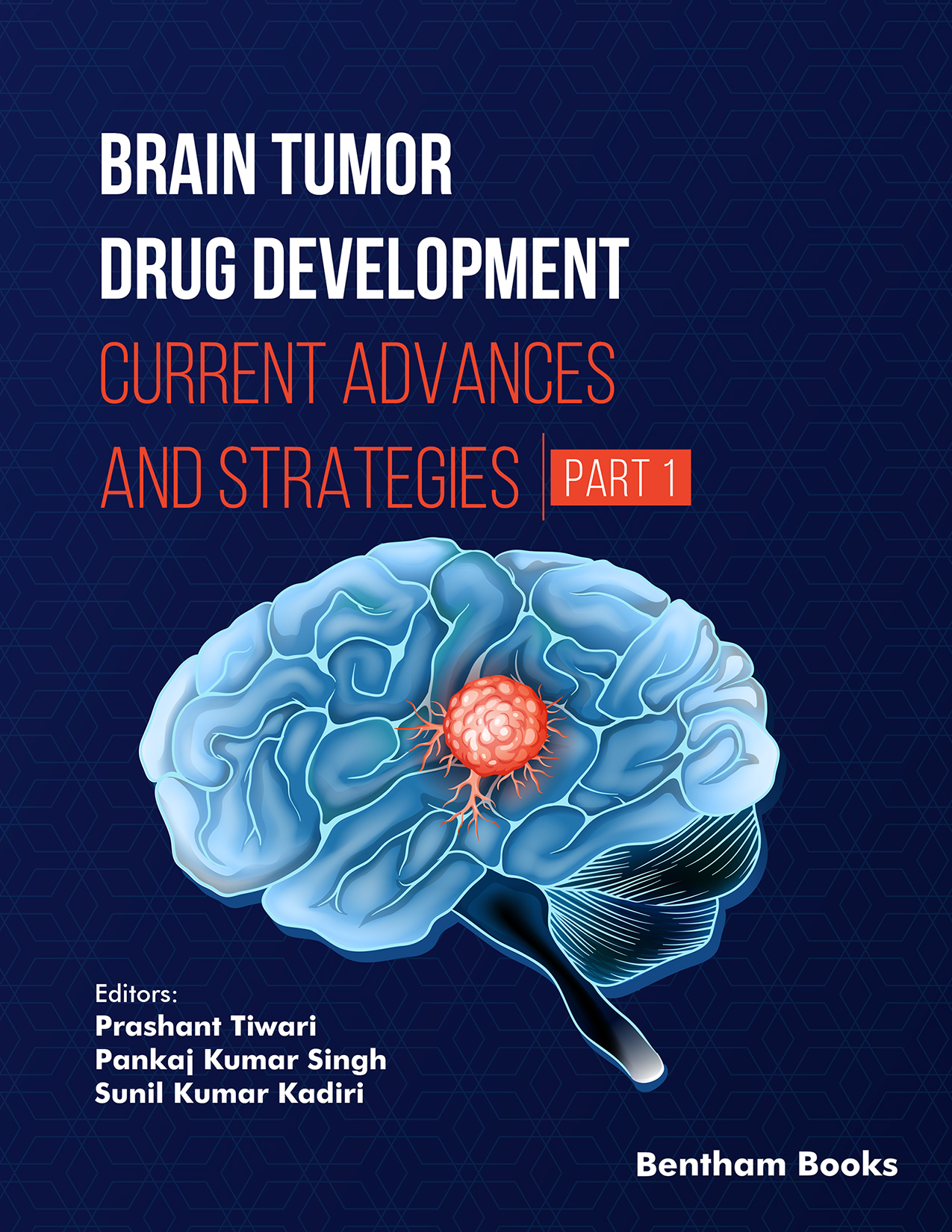
This book, titled Brain Tumor Drug Development: Current Advances and Strategies (Part 1), aims to provide a comprehensive overview of the latest developments in the field, from the discovery of new therapeutic targets to innovative drug delivery systems. It brings together leading experts from various disciplines, each contributing their knowledge and experience in the pursuit of better treatment options for brain tumors. By focusing on current advances and emerging strategies, we hope to shed light on the future directions of brain tumor drug development and inspire further research and collaboration.
This book seeks to highlight both the opportunities and challenges in brain tumor drug development. While we have witnessed remarkable progress in understanding the biology of brain tumors and developing potential therapies, much work remains to be done. The translation of laboratory findings into clinically effective treatments requires ongoing collaboration between researchers, clinicians, pharmaceutical companies, and regulatory bodies.
As editors, we are deeply grateful to the contributors whose expertise and dedication have made this book possible. Their cutting-edge research and forward-thinking approaches represent the best of what the scientific community has to offer in the fight against brain cancer. We also wish to express our appreciation to Bentham Science for supporting this project and facilitating its publication.
We hope that Brain Tumor Drug Development: Current Advances and Strategies (Part 1) will serve as an indispensable resource for researchers, clinicians, and pharmaceutical professionals who are committed to advancing the treatment of brain tumors. By fostering greater understanding and innovation, we believe this book will play a significant role in shaping the future of brain tumor therapeutics and ultimately improve the lives of patients worldwide.
Prashant Tiwari
Department of Pharmacology
College of Pharmaceutical Sciences
Dayananda Sagar University
Bengaluru, Karnataka, India
Pankaj Kumar Singh
Department of Pharmaceutics
National Institute of Pharmaceutical Education and Research (NIPER)
Hyderabad, Telangana, India
&
Sunil Kumar Kadiri
Department of Pharmacology
College of Pharmaceutical Sciences
Dayananda Sagar University
Bengaluru, Karnataka, India