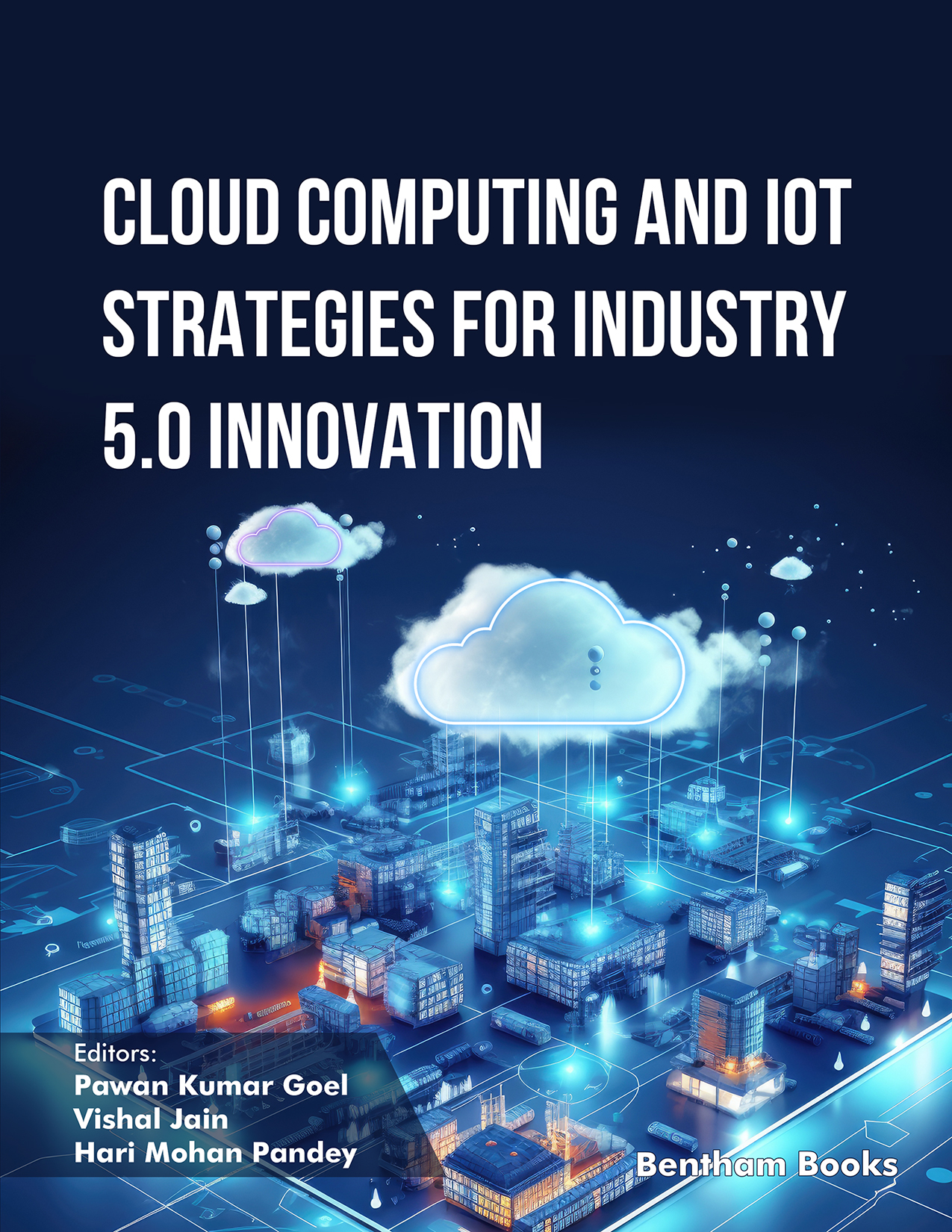
As we stand on the cusp of a new industrial era, the term “Industry 5.0” has emerged as a beacon of transformative potential. This forward-looking paradigm transcends the automation-driven focus of its predecessors and heralds a new age where technology and human creativity coalesce to forge unprecedented advancements in manufacturing and industrial processes. Cloud Computing and IoT Strategies for Industry 5.0 Innovation is a timely and insightful exploration of this evolution, providing a roadmap for navigating the complex landscape of modern industry.
The journey from Industry 1.0, characterized by mechanization, through Industry 4.0, defined by digitization and cyber-physical systems, has set the stage for Industry 5.0, where the emphasis shifts towards a harmonious integration of technology and human expertise. This book delves into the core technologies that underpin this new era—cloud computing and the Internet of Things (IoT)—and examines their role in driving innovation and efficiency in industrial settings.
The integration of cloud computing with IoT is not merely a technological advancement; it represents a fundamental shift in how industries operate and innovate. Cloud computing offers unparalleled scalability, flexibility, and cost-efficiency, while IoT provides real-time data and insights that drive smarter decision-making and operational excellence. Together, these technologies create a synergistic effect that enhances productivity, fosters sustainability, and enables new business models.
In the chapters that follow, readers will find a comprehensive and meticulously researched collection of insights into the intersection of cloud computing, IoT, and Industry 5.0. Each chapter is authored by leading experts who bring a wealth of knowledge and practical experience to the table. From foundational principles and emerging trends to practical applications and case studies, this book provides a thorough examination of how these technologies are shaping the future of industrial practices.
The first chapter lays the groundwork by discussing the significance of manufacturing technologies in the context of Industry 5.0, emphasizing the shift towards human-centered approaches and smart factories. Subsequent chapters delve into critical areas such as cybersecurity in cloud computing, advanced persistent threat detection, the synergy between edge computing and cloud technology, and the integration of cloud-based data analytics.
The exploration of these topics is not limited to theoretical discussions. The book presents practical frameworks, case studies, and real-world applications that demonstrate the tangible benefits and challenges of implementing these technologies. Readers will gain valuable insights into how cloud computing and IoT can be leveraged to optimize industrial processes, enhance decision-making, and drive innovation.
As we embrace the era of Industry 5.0, it is crucial to understand and harness the potential of cloud computing and IoT to stay ahead in a rapidly evolving landscape. This book serves as an essential guide for researchers, practitioners, and industry leaders who seek to understand and leverage these technologies to achieve operational excellence and drive future growth.
In closing, I extend my deepest appreciation to the contributing authors for their dedication and expertise in crafting this insightful volume. Their collective efforts have culminated in a comprehensive resource that will undoubtedly inspire and inform the next generation of industry professionals and researchers.
May this book serve as a valuable asset in your journey towards embracing the opportunities and challenges of Industry 5.0, and may it contribute to the ongoing evolution of industrial innovation.
Sincerely,
Vipin Balyan
Department of Electrical, Electronics, and Computer Science Engineering
Cape Peninsula University of Technology
South Africa